
What are the Four Corners of the Kaaba and Their Names?
Alkış Turizm
Writer
What are the Four Corners of the Kaaba and Their Names?
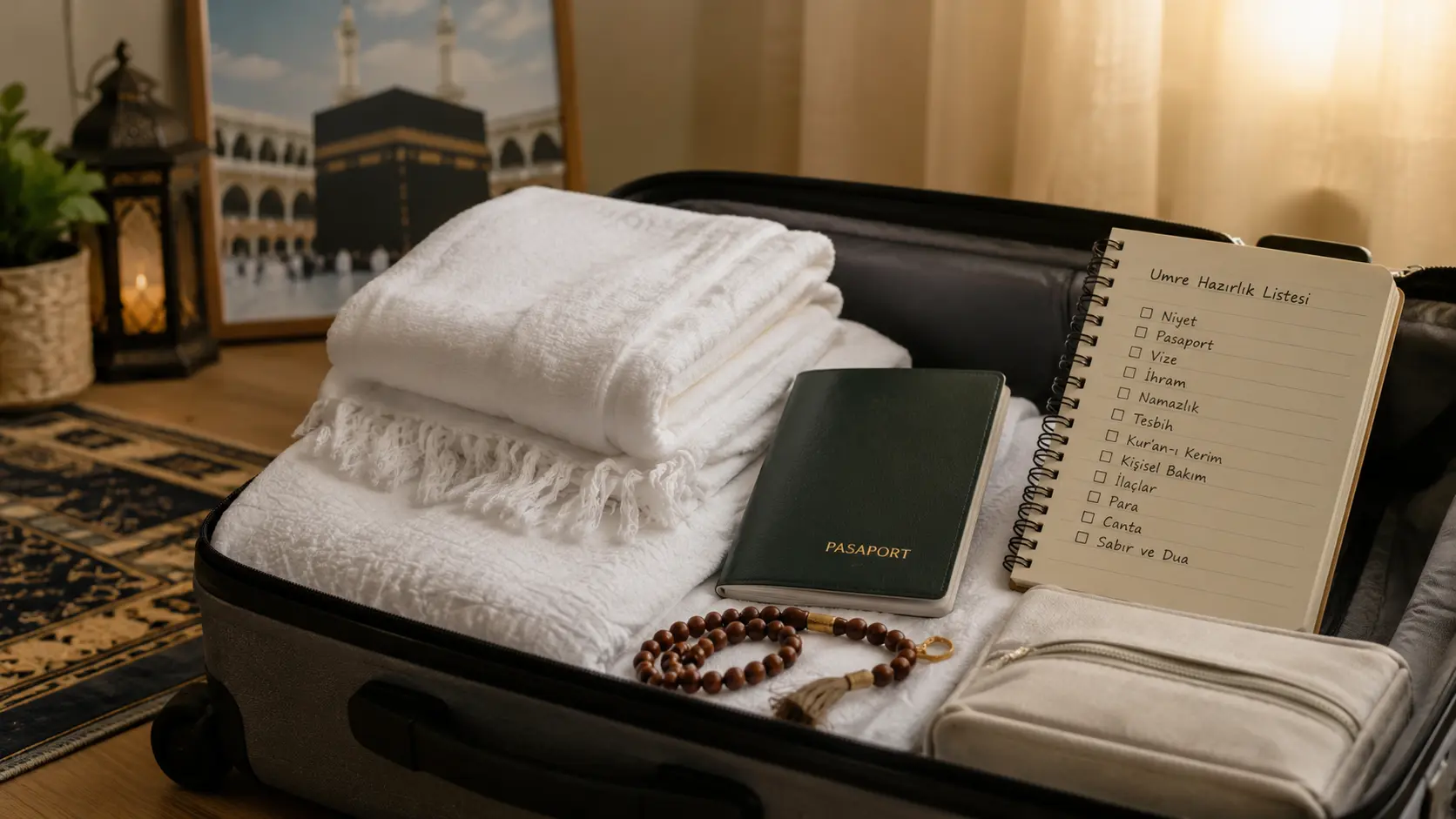
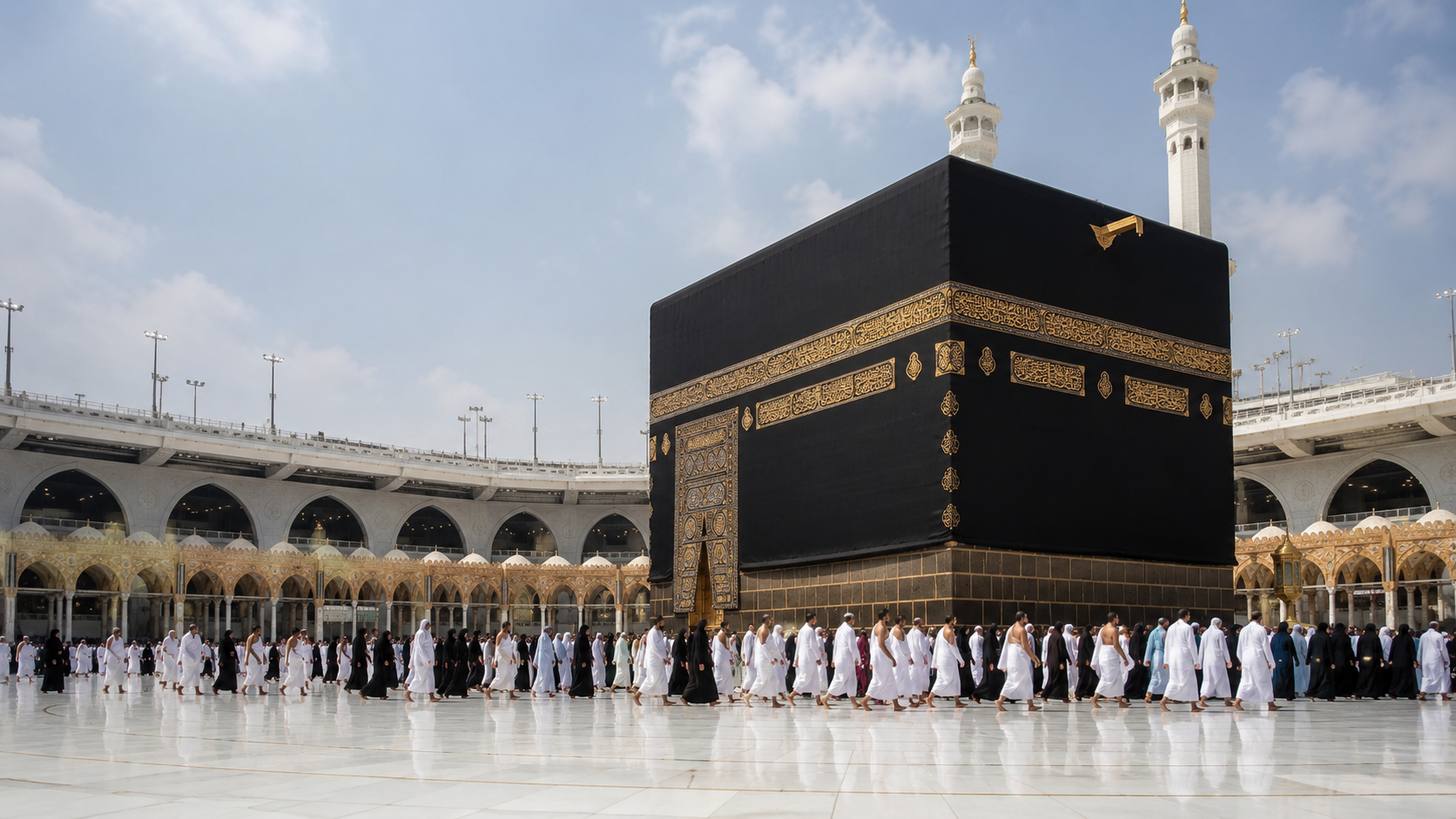
The Magnificent Kaaba is a sacred structure to which millions of Muslims from all over the world turn. The Kaaba, which is at the center of Hajj and Umrah worship, is not only an architectural structure but also a center of worship with deep spiritual meanings.
The four corners of the Kaaba have been called different names throughout history. These names are taken from the geographical regions to which the corners are directed. Knowing these corners may help those who are preparing for Umrah or Hajj to better understand the spiritual atmosphere experienced during circumambulation.
Four Corners of the Kaaba
The four corners of the Kaaba are:
Hacerülesved Corner
Iraq Corner
Damascus Corner
Yemen Corner
Each corner points to a different direction and has its own place in Islamic history.
Hacerülesved Corner
The most well-known corner of the Kaaba is the Hacerülesved Corner. In this corner, there is the Hacerülesved stone.
Tawaf worship starts from this corner and each round is completed at this point. During the Tawaf, if possible, I invade Hacerülesved. When it is not possible to approach the stone due to density, greetings can be made by pointing from afar.
Hacerülesved is a symbol of high historical and spiritual value for Muslims. However, it is important to avoid behavior that will harm other people during tawaf.
Iraq Corner
Iraq Corner is located on the northeastern side of the Kaaba and takes its name from the fact that it faces the direction of Iraq.
This corner is one of the important points passed during tawaf. Throughout history, the corners of the Kaaba have been called with these names to determine the directions in the Islamic geography. Iraq Corner is also a part of this tradition.
Damascus Corner
Damascus Corner is located in the northwest direction and takes its name from its orientation towards the Damascus region.
This corner is one of the points passed during the circumambulation. The names given to the corners of the Kaaba symbolically remind the unity of the vast geography where Muslims live around the Kaaba.
Yemen Corner
Yemen Corner is located on the southwest side of the Kaaba and is one of the corners specifically mentioned in the sunnah.
As stated in many sources, when you reach the Yemen Corner during tawaf, it is touched with your hand, if possible. However, there is not the same practice in pointing as in Hacerülesved.
While walking between Yemen Corner and Hacerülesved Corner, many Muslims try to read the following prayer:
"Our Lord! Give us goodness in this world, grant us goodness in the afterlife and protect us from the torment of fire."
This prayer is among the prayers frequently recited during circumambulation.
Why is it important to know the corners of the Kaaba?
Knowing the meaning of the practices performed in Hajj and Umrah worship can contribute to performing the worship more consciously.
Knowing the corners of the Kaaba;
To determine the starting point of the Tawaf correctly,
To better understand the practices during the Tawaf,
About the history of Islam. It can help to increase knowledge,
Strengthen spiritual preparation.
Especially for those who will go to Umrah for the first time, such information is a useful preparation before the journey.
Conclusion
The Kaaba has four corners: Hacerülesved, Iraq, Damascus and Yemen. While each of these corners carries historical and spiritual meanings, Hacerülesved Corner stands out as the starting point of circumambulation, and the Yemen Corner stands out with the practices mentioned in the sunnah.
For those preparing for the Hajj or Umrah journey, learning the structure of the Kaaba and the important points encountered during the circumambulation can help them perform the worship more consciously. It would be useful to obtain information from reliable sources regarding the details of religious practices and to consult authorized religious officials when necessary.
Alkış Turizm
Yazar
As Alkış Turizm, we are with you in your pilgrimage and umrah journeys.
Our other articles arrow_forward